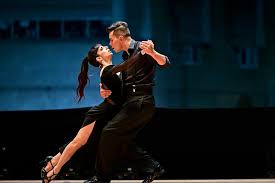
There is a quiet rhythm that lives inside every casino experience, a rhythm not heard with the ears but felt through the body and mind. It moves between tension and release, anticipation and resolution, much like a carefully choreographed dance. What seems like a simple sequence of actions—placing a bet, waiting, watching—slowly reveals itself as something more layered: a repeating emotional pattern that shapes behavior, attention, and time itself.
Modern research in behavioral psychology and game design suggests that this rhythm is not accidental. Digital and physical casino environments are often structured around what experts call “variable reward cycles,” where uncertainty and reward are interwoven to keep engagement high. Studies indicate that unpredictable rewards can increase engagement levels by over 40% compared to fixed reward systems, because the brain remains alert to possibility rather than outcome.
This is where the metaphor of dance becomes powerful. The player is not just interacting with a system, but moving within a pattern—one that subtly guides emotion, motion, and decision-making.
The Build of Tension as a Rising Movement
Tension in casino play builds gradually, much like a dancer preparing for a lift or a leap. It begins with anticipation—the moment before a spin stops, before a card is revealed, before the outcome is known. This phase activates the brain’s reward system, particularly dopamine pathways associated with expectation.
A 2022 behavioral study found that anticipation of reward can trigger stronger neural responses than the reward itself, which explains why the “waiting moment” feels so charged.
Physically, this tension often appears in subtle ways:
- A slight lean forward
- Slower or more deliberate hand movements
- A pause in breathing
One online player described it this way:
“It’s not even about winning sometimes. It’s that moment before the result… it pulls you in.”
This rising tension mirrors dance movement—energy gathering before release. It creates emotional weight, making even small outcomes feel meaningful.
The Release as a Soft Falling Motion

When the outcome arrives, the built-up tension dissolves. This is the “release” phase—the exhale after holding breath.
Interestingly, research shows that the brain processes both wins and losses with a form of emotional release, though the intensity differs. Even a loss resolves uncertainty, which is why players often continue rather than stop.
This release can look like:
- Relaxed shoulders
- Looser hand movement
- A brief pause before the next action
A casino regular once shared:
“After the result, win or lose, there’s always that moment where everything drops. Then somehow, you’re ready again.”
In dance terms, this is the downward motion—the completion of a cycle. It feels natural, almost necessary, preparing the body and mind for the next rise.
The Continuous Loop of Emotional Movement
What makes this pattern so compelling is repetition. Tension rises, release follows, and the cycle begins again—creating a loop that feels smooth and continuous.
Game design experts often refer to this as a “flow loop.” In fact:
- The average slot machine spin cycle lasts 2–4 seconds, intentionally short to maintain rhythm
- Fast cycles can increase session length by up to 30%, according to industry data
This repetition creates familiarity. The body begins to expect the pattern, and the mind follows it effortlessly.
A user on a gaming forum wrote:
“You don’t even notice how long you’ve been playing. It just feels like one long moment.”
This is where the dance metaphor deepens—the player is no longer just watching the rhythm but moving within it.
When the Dance Becomes Automatic
Over time, the pattern can become automatic. Actions happen without conscious thought, and the distinction between tension and release begins to blur.
This state is often linked to what psychologists call “automaticity” or “habit loops.” The brain conserves energy by reducing active decision-making, allowing behavior to continue with minimal awareness.
Signs of this shift include:
- Faster, less deliberate actions
- Reduced pauses between decisions
- Less awareness of time passing
One player described this state clearly:
“At some point, you’re not really thinking anymore. You’re just doing.”
While this can feel effortless, it also reduces reflection. The dance continues, but the dancer is no longer fully aware of each step.
The Slot Machine Cycle
Consider a simple slot machine session:
- Bet placed → anticipation builds
- Reels spin → tension rises
- Outcome revealed → release
- Immediate next spin option → loop continues
Because there is little delay between these steps, the cycle feels continuous. The lack of pause reinforces the rhythm, making it easier to stay within the loop.
Bringing Awareness Back Into the Rhythm

The pattern itself is not inherently negative—it is simply a natural response to structured uncertainty. The key difference lies in awareness.
Even within this rhythm, it is possible to step back slightly and observe:
- Notice the moment tension begins
- Feel the release when the outcome arrives
- Pause briefly before the next action
A behavioral expert once noted:
“Awareness doesn’t break the pattern—it changes your relationship with it.”
This small shift creates space within the loop. The dance continues, but now it is seen as well as felt.
A Soft Closing Thought
Translating tension and release into dance patterns reveals something deeply human. We are naturally drawn to rhythm, to cycles of anticipation and resolution, to movements that feel meaningful even when outcomes are uncertain.
What appears to be a simple game becomes a layered experience shaped by psychology, design, and emotion. The rise and fall, the build and release, form a quiet choreography that guides attention and action.
And perhaps the most important insight is this: when we begin to notice the dance, we are no longer just moving within it. We are also observing it. In that awareness, there is a calm balance—a way to remain present without being carried away, steady even within motion, and clear even within uncertainty.
Leave a Reply