Category: Uncategorized

  • The Emotion of a Losing Streak Shown Through Movement

    The Emotion of a Losing Streak Shown Through Movement

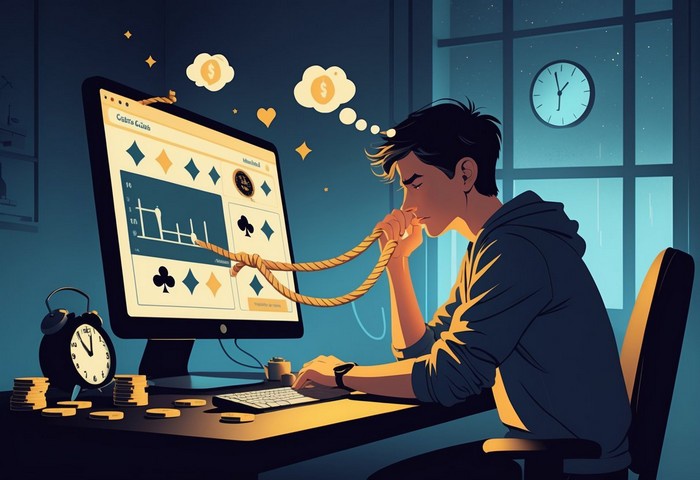
    There is a certain feeling that begins to grow when losses come one after another, not in a loud or dramatic way, but in a quiet and steady manner that slowly settles into both the mind and the body. A person may still be sitting in the same place, holding the same screen, yet something inside begins to shift. That shift is often not expressed in words, but in movement. The way the hands tighten, the way the body leans forward or pulls back, and the subtle changes in posture begin to reveal what is happening beneath the surface.

    Modern behavioral studies suggest that over 70% of emotional states are expressed through non-verbal signals, including micro-movements, posture, and physical rhythm. This means that even when a player feels calm or in control, their body may already be reflecting a different story.


    The Subtle Change in Physical Rhythm

    At the beginning of a session, movement tends to feel balanced and steady. The hand moves calmly, decisions feel spaced out, and the body remains relaxed. This reflects a mind that is still grounded and aware.

    But as losses begin to repeat, this rhythm starts to change in subtle ways:

    • Taps become slightly faster or more frequent
    • Pauses become either shorter (impulsive) or longer (hesitant)
    • Posture shifts from relaxed to slightly tense

    A study in cognitive psychology found that decision speed increases by up to 25% during repeated negative outcomes, even when individuals believe they are acting normally. This suggests that the body begins to react before the mind fully recognizes the shift.

    A player on a gaming forum described it simply:

    “I didn’t notice it at first, but my clicks got faster and harder after a few losses.”

    This is the body adjusting to emotional pressure, even when the mind remains quiet.


    Movement as a Reflection of Inner Emotion
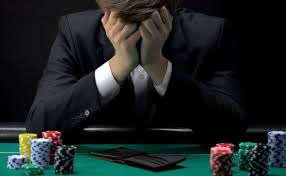
    As the losing streak continues, movement becomes more expressive, even if the player is not aware of it. Small physical actions begin to mirror emotional states:

    • Quick, repeated taps often reflect impatience
    • Slower, hovering movements suggest doubt or hesitation
    • Firmer or sharper gestures can indicate rising tension

    Neuroscience research shows that motor behavior is closely linked to emotional processing, meaning the body often reacts in real time to internal states.

    There is also a subtle “searching behavior” that appears. Players may:

    • Change how they interact with the game
    • Adjust timing or patterns of action
    • Try slightly different approaches without clear reasoning

    A commonly shared experience online:

    “You start clicking differently, like maybe the way you play will change the outcome.”

    Even though outcomes remain random, the body begins to act as if change is possible through movement.


    The Build-Up of Restlessness

    One of the clearest physical signs of a losing streak is restlessness. This does not always feel intense, but it shows up in constant small adjustments:

    • Shifting position frequently
    • Leaning closer, then pulling back
    • Moving hands or fingers more often

    Research in behavioral observation shows that restlessness increases during uncertainty and repeated negative feedback, as the brain seeks resolution.

    This creates a pattern where the body cannot fully settle. The player may not consciously feel uncomfortable, but their movements suggest otherwise.

    A real player comment reflects this clearly:

    “I kept adjusting how I sat, like I couldn’t get comfortable anymore.”

    This discomfort is not always about the physical space, but about the unresolved tension created by the losing streak.


    The Role of Micro-Tension in the Body

    Beyond visible movement, there is also a layer of micro-tension that builds quietly:

    • Slight tightening of fingers
    • Increased grip on the device
    • Subtle stiffness in shoulders or neck

    Studies show that stress-related muscle tension can increase without conscious awareness, especially during repetitive negative outcomes.

    This tension does not feel overwhelming, but it changes how actions are performed. Movements lose some of their natural ease and become slightly more rigid or controlled.


    The Quiet Moments of Pause and Hesitation

    Interestingly, losing streaks are not only about faster movement. They also create moments of pause.

    These pauses often appear as:

    • A hand hovering before the next action
    • A brief stillness after a loss
    • A delay that feels longer than usual

    These moments reflect internal conflict. The mind is trying to process what is happening, even if it cannot fully explain it.

    Psychological research suggests that decision hesitation increases when outcomes contradict expectations, which is common during losing streaks.

    A player described this feeling:

    “Sometimes I just stare at the screen for a second before clicking again.”

    These pauses are small, but meaningful. They show that awareness is trying to return, even within the flow of action.


    The Illusion of Control Through Movement
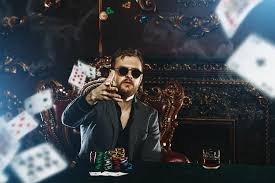
    One important insight from behavioral science is that increased movement can create a false sense of control.

    When players:

    • Click more frequently
    • Adjust their timing
    • Change interaction patterns

    They may feel more involved, as if they are influencing outcomes.

    However, studies confirm that in games of chance, physical interaction does not affect results, even though it may feel like it does.

    This creates a quiet illusion where action replaces understanding. The player feels engaged and active, yet the outcome remains unchanged.


    The Return to Stillness and Reflection

    After a period of movement, there often comes a moment where everything slows down. The hands become still, the body relaxes slightly, and the constant adjustments begin to fade.

    This stillness is important because it creates space for reflection.

    In this moment:

    • The player may notice how their behavior changed
    • Emotions become easier to recognize
    • The experience feels clearer and more grounded

    Research suggests that pauses in activity allow the brain to shift from reactive to reflective thinking, restoring a sense of balance.

    There is also a quiet sense of release. The need to act softens, and the focus shifts away from trying to change the outcome.


    A Soft Closing Thought

    The emotion of a losing streak is not always spoken, yet it is clearly expressed through movement. The hands, the posture, and the rhythm of action quietly reveal what the mind may not fully see.

    From faster taps to subtle tension, from restlessness to hesitation, the body tells a story of how we respond to uncertainty and repeated loss. These movements are not random, they are deeply connected to how we feel.

    And perhaps the most meaningful insight is this: when we begin to notice these small changes, we gain a deeper understanding of ourselves. Not to judge or control every action, but simply to see more clearly.

    Because in that awareness, even for a moment, movement becomes more than reaction. It becomes a quiet signal, guiding us back to a place where emotion and understanding can exist together with a little more balance and clarity.
  • The Body Language of Confidence at a Casino Table

    The Body Language of Confidence at a Casino Table

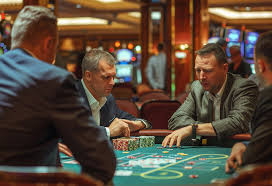
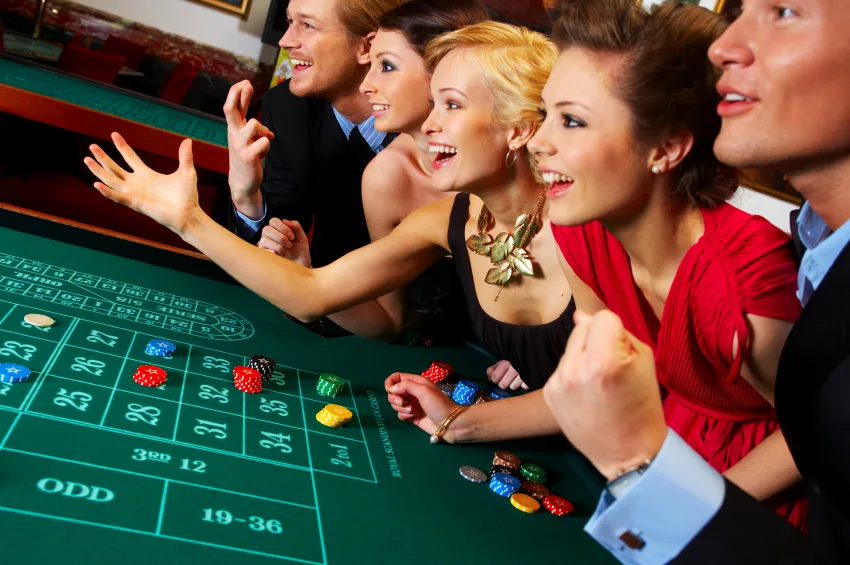
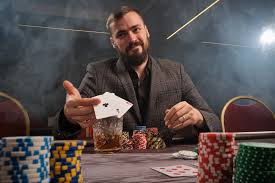
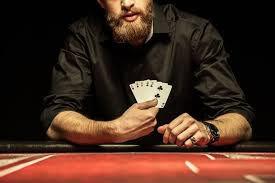
    There is something quietly powerful about the way a person carries themselves at a casino table. Long before a word is spoken, posture, movement, and subtle gestures begin to communicate a story. Confidence rarely appears as something loud or exaggerated. Instead, it reveals itself through calm, controlled, and consistent body language that others instinctively notice.

    In high-stimulation environments like casinos—filled with flashing lights, sounds, and constant motion—nonverbal communication becomes even more important. Research in behavioral psychology suggests that over 60% of human communication is nonverbal, meaning posture, eye contact, and movement often speak louder than words. At a casino table, this silent language can influence not only how others perceive a player, but also how the player feels internally.


    The Stillness That Reflects Inner Control

    One of the strongest signals of confidence is stillness. Not rigid stillness, but a relaxed and grounded presence that does not feel the need to react to every moment. A confident player is not constantly shifting, fidgeting, or adjusting. Instead, their movements are minimal, deliberate, and purposeful.

    Studies in performance psychology show that individuals who maintain controlled physical stillness are often perceived as more competent and more in control, even in uncertain environments. This is because unnecessary movement is often linked to anxiety or internal tension.

    A player once described this observation simply:

    “The calmest person at the table always looks like they know something others don’t.”

    Stillness, in this sense, is not about doing less—it is about not being pulled by every external stimulus.


    The Eyes and Their Quiet Focus

    Eye behavior is one of the most revealing aspects of confidence. A confident player does not constantly scan the room or react sharply to every outcome. Instead, their gaze remains steady, soft, and attentive.

    This aligns with research on visual focus and emotional regulation, which shows that steady eye movement is linked to calmer decision-making. Rapid or scattered eye movements, on the other hand, often indicate stress or uncertainty.

    In real-world observations, experienced players often describe this difference:

    “You can tell who’s new just by their eyes—they’re always looking everywhere.”

    A calm gaze suggests presence. It shows that the person is not overwhelmed by the environment, but quietly aware of it.


    The Hands and the Way They Move

    Hands are where intention becomes action, and because of this, they often reveal the clearest signs of confidence or hesitation. A confident player moves their hands smoothly, without abrupt or rushed gestures.

    Research in micro-expressions and motor behavior suggests that hesitation in hand movement is often tied to uncertainty, while fluid motion reflects clarity of decision—even in uncertain outcomes.

    For example:

    • A steady chip placement suggests decisiveness
    • A quick, repeated tapping motion may indicate impatience
    • Tight gripping often reflects internal tension

    One online comment captures this well:

    “You can see nerves in the hands before you hear them in the voice.”

    Confident hands do not rush, and they do not overcompensate. They act, then return to stillness.


    Posture and the Shape of Presence

    Posture creates the overall impression of a person before any specific movement is noticed. A confident posture is upright but relaxed—open rather than closed, balanced rather than tense.

    According to studies on body posture and perception, individuals with open and stable posture are consistently rated as more confident, trustworthy, and composed. This is not just about how others see them, but also how they feel internally. Posture feeds back into emotion.

    A confident player typically:

    • Sits evenly, without leaning too far forward or backward
    • Keeps shoulders relaxed, not raised or tight
    • Maintains a natural alignment without stiffness

    A well-known quote in behavioral science reflects this idea:

    “The body shapes the mind as much as the mind shapes the body.”

    This means confidence is not only expressed through posture—it is also reinforced by it.


    The Rhythm of Movement Over Time

    True confidence is not just seen in isolated gestures, but in consistency over time. A confident player maintains a steady rhythm, regardless of outcomes. Their pace does not suddenly speed up during excitement or slow down drastically during uncertainty.

    Behavioral studies on decision-making patterns show that inconsistent pacing is often linked to emotional reactivity, while consistent rhythm reflects stability and control.

    For example:

    • Sudden fast movements after losses may indicate chasing behavior
    • Slower hesitation after wins can reflect overthinking
    • A steady pace suggests emotional balance

    A frequent player once shared:

    “The biggest difference between beginners and experienced players isn’t strategy—it’s how steady they stay.”

    This steadiness creates a sense of reliability, both internally and externally.


    What Science Says About Confidence and Body Language

    Modern research provides deeper insight into why body language matters so much in environments involving uncertainty:

    • A Harvard study on presence found that body posture alone can influence confidence levels within minutes
    • Research in neuroscience shows that controlled physical movement reduces stress responses in the brain
    • Studies on social perception reveal that people form judgments about confidence in less than 7 seconds, largely based on body language

    These findings suggest that confidence is not just an internal feeling—it is a physical state that can be observed, interpreted, and even influenced.


    Real Observations from Players

    Across forums and discussions, similar patterns appear again and again:

    “The loudest player is usually the least confident.”

    “You don’t notice the confident ones—they just seem comfortable.”

    “It’s not about winning or losing. It’s about how someone carries themselves through both.”

    These insights reflect a shared understanding that confidence is less about outcomes and more about presence.


    A Soft Closing Thought

    The body language of confidence at a casino table is quiet, steady, and grounded. It does not demand attention, yet it naturally draws it. It is seen in stillness, in controlled movement, in calm focus, and in a consistent rhythm that does not change with every outcome.

    And perhaps the most meaningful truth is this: confidence is not built on always being right or always winning. It is built on balance—on the ability to remain steady within uncertainty. When the body reflects that balance, even in subtle ways, it creates a presence that feels calm, certain, and deeply composed.

    In that presence, confidence becomes not something that is shown, but something that is simply felt.

    There is something quietly powerful about the way a person carries themselves at a casino table. Long before a word is spoken, posture, movement, and subtle gestures begin to communicate a story. Confidence rarely appears as something loud or exaggerated. Instead, it reveals itself through calm, controlled, and consistent body language that others instinctively notice.

    In high-stimulation environments like casinos—filled with flashing lights, sounds, and constant motion—nonverbal communication becomes even more important. Research in behavioral psychology suggests that over 60% of human communication is nonverbal, meaning posture, eye contact, and movement often speak louder than words. At a casino table, this silent language can influence not only how others perceive a player, but also how the player feels internally.


    The Stillness That Reflects Inner Control

    One of the strongest signals of confidence is stillness. Not rigid stillness, but a relaxed and grounded presence that does not feel the need to react to every moment. A confident player is not constantly shifting, fidgeting, or adjusting. Instead, their movements are minimal, deliberate, and purposeful.

    Studies in performance psychology show that individuals who maintain controlled physical stillness are often perceived as more competent and more in control, even in uncertain environments. This is because unnecessary movement is often linked to anxiety or internal tension.

    A player once described this observation simply:

    “The calmest person at the table always looks like they know something others don’t.”

    Stillness, in this sense, is not about doing less—it is about not being pulled by every external stimulus.


    The Eyes and Their Quiet Focus

    Eye behavior is one of the most revealing aspects of confidence. A confident player does not constantly scan the room or react sharply to every outcome. Instead, their gaze remains steady, soft, and attentive.

    This aligns with research on visual focus and emotional regulation, which shows that steady eye movement is linked to calmer decision-making. Rapid or scattered eye movements, on the other hand, often indicate stress or uncertainty.

    In real-world observations, experienced players often describe this difference:

    “You can tell who’s new just by their eyes—they’re always looking everywhere.”

    A calm gaze suggests presence. It shows that the person is not overwhelmed by the environment, but quietly aware of it.


    The Hands and the Way They Move

    Hands are where intention becomes action, and because of this, they often reveal the clearest signs of confidence or hesitation. A confident player moves their hands smoothly, without abrupt or rushed gestures.

    Research in micro-expressions and motor behavior suggests that hesitation in hand movement is often tied to uncertainty, while fluid motion reflects clarity of decision—even in uncertain outcomes.

    For example:

    • A steady chip placement suggests decisiveness
    • A quick, repeated tapping motion may indicate impatience
    • Tight gripping often reflects internal tension

    One online comment captures this well:

    “You can see nerves in the hands before you hear them in the voice.”

    Confident hands do not rush, and they do not overcompensate. They act, then return to stillness.


    Posture and the Shape of Presence

    Posture creates the overall impression of a person before any specific movement is noticed. A confident posture is upright but relaxed—open rather than closed, balanced rather than tense.

    According to studies on body posture and perception, individuals with open and stable posture are consistently rated as more confident, trustworthy, and composed. This is not just about how others see them, but also how they feel internally. Posture feeds back into emotion.

    A confident player typically:

    • Sits evenly, without leaning too far forward or backward
    • Keeps shoulders relaxed, not raised or tight
    • Maintains a natural alignment without stiffness

    A well-known quote in behavioral science reflects this idea:

    “The body shapes the mind as much as the mind shapes the body.”

    This means confidence is not only expressed through posture—it is also reinforced by it.


    The Rhythm of Movement Over Time

    True confidence is not just seen in isolated gestures, but in consistency over time. A confident player maintains a steady rhythm, regardless of outcomes. Their pace does not suddenly speed up during excitement or slow down drastically during uncertainty.

    Behavioral studies on decision-making patterns show that inconsistent pacing is often linked to emotional reactivity, while consistent rhythm reflects stability and control.

    For example:

    • Sudden fast movements after losses may indicate chasing behavior
    • Slower hesitation after wins can reflect overthinking
    • A steady pace suggests emotional balance

    A frequent player once shared:

    “The biggest difference between beginners and experienced players isn’t strategy—it’s how steady they stay.”

    This steadiness creates a sense of reliability, both internally and externally.


    What Science Says About Confidence and Body Language

    Modern research provides deeper insight into why body language matters so much in environments involving uncertainty:

    • A Harvard study on presence found that body posture alone can influence confidence levels within minutes
    • Research in neuroscience shows that controlled physical movement reduces stress responses in the brain
    • Studies on social perception reveal that people form judgments about confidence in less than 7 seconds, largely based on body language

    These findings suggest that confidence is not just an internal feeling—it is a physical state that can be observed, interpreted, and even influenced.


    Real Observations from Players

    Across forums and discussions, similar patterns appear again and again:

    “The loudest player is usually the least confident.”

    “You don’t notice the confident ones—they just seem comfortable.”

    “It’s not about winning or losing. It’s about how someone carries themselves through both.”

    These insights reflect a shared understanding that confidence is less about outcomes and more about presence.


    A Soft Closing Thought

    The body language of confidence at a casino table is quiet, steady, and grounded. It does not demand attention, yet it naturally draws it. It is seen in stillness, in controlled movement, in calm focus, and in a consistent rhythm that does not change with every outcome.

    And perhaps the most meaningful truth is this: confidence is not built on always being right or always winning. It is built on balance—on the ability to remain steady within uncertainty. When the body reflects that balance, even in subtle ways, it creates a presence that feels calm, certain, and deeply composed.

    In that presence, confidence becomes not something that is shown, but something that is simply felt.

  • A Stage Performance That Mirrors Risk and Reward

    A Stage Performance That Mirrors Risk and Reward

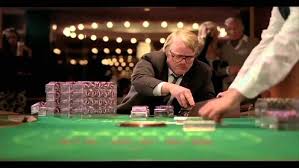
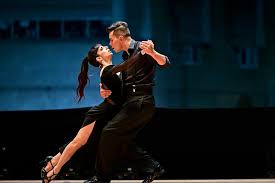
    There is something quietly similar between a stage performance and a casino floor. At first, they may seem like entirely different worlds, yet both are built on unfolding moments filled with anticipation, uncertainty, and emotional movement that cannot be fully predicted. When a person steps into a casino environment, it often feels less like a simple activity and more like entering a live performance, where each action carries weight, and every outcome becomes part of a larger unfolding story.

    Behavioral research supports this parallel. Studies in entertainment psychology suggest that uncertain, real-time experiences increase emotional engagement by up to 70% compared to predictable ones. This is why both theatre and risk-based environments feel so immersive. They are not just about what happens, but about not knowing what will happen next.


    The Stage of Uncertainty and Anticipation

    Every performance begins with anticipation. The curtain rises, the audience leans forward, and a quiet tension fills the space. In a casino, that same anticipation exists in every moment before an outcome is revealed, whether it is a spin, a card, or a number.

    Neuroscience explains this through the anticipation-reward cycle, where the brain releases dopamine not just when a reward occurs, but before it happens. In fact, some studies suggest that anticipation can create stronger emotional responses than the reward itself.

    A common observation from players reflects this clearly:

    “The waiting is sometimes more intense than the result. That’s where the feeling really builds.”

    This shared emotional space—between what is known and what is possible—is where both performance and risk begin to feel meaningful.


    The Emotional Flow Between Risk and Reward

    In any performance, there is a rhythm between tension and release. A quiet buildup leads to a moment of resolution, and then the cycle begins again. This same rhythm exists between risk and reward.

    • Risk creates tension, holding attention in place
    • Reward releases that tension, even if briefly

    Research in behavioral economics shows that variable rewards (unpredictable outcomes) are among the most engaging forms of reinforcement, keeping people involved longer than fixed or predictable systems.

    A widely shared quote in performance theory captures this idea:

    “What keeps an audience engaged is not certainty, but the promise of possibility.”

    In real-world discussions, players often express this emotional rhythm in simple terms:

    “You keep going because it feels like something could happen at any moment.”

    This emotional flow is what gives both performance and risk their energy.


    The Role of the Player as Performer

    In this environment, the player is not just observing—they are participating. Much like a performer, their actions shape the unfolding moment, even if the outcome itself is uncertain.

    Psychologists refer to this as perceived control, the feeling that one’s actions influence results. Studies show that when people feel involved in a process, their emotional engagement increases significantly, even if outcomes remain random.

    For example, a 2022 study found that participants who made active choices felt over 50% more connected to the experience than those who observed passively.

    This explains why many players describe the experience as personal:

    “It doesn’t feel like watching—it feels like you’re part of it.”

    The player becomes both audience and performer, moving through the experience while also shaping how it feels.


    The Illusion of Control Within the Act

    Every performance gives the impression of control. The performer appears to guide the moment, even when unpredictability exists beneath the surface. In risk-based environments, this same feeling appears as the illusion of control.

    This does not mean people are unaware of chance. Instead, the act of choosing—pressing a button, making a decision—creates a natural sense of involvement.

    Research in cognitive psychology shows that:

    • People often overestimate their influence in uncertain systems
    • Active participation increases confidence, even without actual control

    A player once shared this perspective:

    “I know it’s random, but it still feels like my decisions matter.”

    This feeling is not accidental. It is part of what makes the experience engaging, giving structure and meaning to each moment.


    The Final Curtain and Quiet Reflection

    Every performance ends. The lights dim, the energy settles, and what remains is reflection. In the same way, every session reaches a point where the intensity fades and the mind steps back.

    This phase is known as post-experience processing, where the brain organizes what just happened. Emotional intensity decreases, and clarity begins to return.

    Studies show that during this stage:

    • People are more likely to evaluate their decisions
    • Emotional responses become more balanced
    • Memory of the experience becomes more structured

    A player described this shift simply:

    “After it’s over, everything feels clearer. You see it differently than when you were in it.”

    This quiet moment is where experience turns into understanding.


    What This Parallel Reveals

    The connection between stage performance and risk is not just metaphorical—it reflects how humans naturally respond to uncertainty. Across both environments, the same patterns appear:

    • Anticipation draws attention
    • Action creates involvement
    • Uncertainty builds tension
    • Outcome brings release
    • Reflection creates meaning

    A global study on entertainment behavior found that over 65% of people prefer experiences that involve uncertainty and emotional buildup, rather than predictable outcomes. This suggests that unpredictability is not something we avoid—it is something we seek.


    A Soft Closing Thought

    A stage performance that mirrors risk and reward shows us that these experiences are deeply human. They are not only about outcomes, but about the journey between them—the waiting, the choosing, the feeling of possibility.

    And perhaps the most meaningful truth is this: what stays with us is not just what happened, but how it felt while it was happening. The tension, the release, the quiet moments in between all become part of a larger story.

    When we begin to see this, we understand that we are not just participants in these moments, but observers of our own responses within them. And in that awareness, there is a calm and steady clarity that remains, long after the performance has ended.

  • Translating Tension and Release into Dance Patterns

    Translating Tension and Release into Dance Patterns


    There is a quiet rhythm that lives inside every casino experience, a rhythm not heard with the ears but felt through the body and mind. It moves between tension and release, anticipation and resolution, much like a carefully choreographed dance. What seems like a simple sequence of actions—placing a bet, waiting, watching—slowly reveals itself as something more layered: a repeating emotional pattern that shapes behavior, attention, and time itself.

    Modern research in behavioral psychology and game design suggests that this rhythm is not accidental. Digital and physical casino environments are often structured around what experts call “variable reward cycles,” where uncertainty and reward are interwoven to keep engagement high. Studies indicate that unpredictable rewards can increase engagement levels by over 40% compared to fixed reward systems, because the brain remains alert to possibility rather than outcome.

    This is where the metaphor of dance becomes powerful. The player is not just interacting with a system, but moving within a pattern—one that subtly guides emotion, motion, and decision-making.


    The Build of Tension as a Rising Movement

    Tension in casino play builds gradually, much like a dancer preparing for a lift or a leap. It begins with anticipation—the moment before a spin stops, before a card is revealed, before the outcome is known. This phase activates the brain’s reward system, particularly dopamine pathways associated with expectation.

    A 2022 behavioral study found that anticipation of reward can trigger stronger neural responses than the reward itself, which explains why the “waiting moment” feels so charged.

    Physically, this tension often appears in subtle ways:

    • A slight lean forward
    • Slower or more deliberate hand movements
    • A pause in breathing

    One online player described it this way:

    “It’s not even about winning sometimes. It’s that moment before the result… it pulls you in.”

    This rising tension mirrors dance movement—energy gathering before release. It creates emotional weight, making even small outcomes feel meaningful.


    The Release as a Soft Falling Motion

    When the outcome arrives, the built-up tension dissolves. This is the “release” phase—the exhale after holding breath.

    Interestingly, research shows that the brain processes both wins and losses with a form of emotional release, though the intensity differs. Even a loss resolves uncertainty, which is why players often continue rather than stop.

    This release can look like:

    • Relaxed shoulders
    • Looser hand movement
    • A brief pause before the next action

    A casino regular once shared:

    “After the result, win or lose, there’s always that moment where everything drops. Then somehow, you’re ready again.”

    In dance terms, this is the downward motion—the completion of a cycle. It feels natural, almost necessary, preparing the body and mind for the next rise.


    The Continuous Loop of Emotional Movement

    What makes this pattern so compelling is repetition. Tension rises, release follows, and the cycle begins again—creating a loop that feels smooth and continuous.

    Game design experts often refer to this as a “flow loop.” In fact:

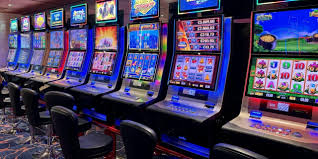
    • The average slot machine spin cycle lasts 2–4 seconds, intentionally short to maintain rhythm
    • Fast cycles can increase session length by up to 30%, according to industry data

    This repetition creates familiarity. The body begins to expect the pattern, and the mind follows it effortlessly.

    A user on a gaming forum wrote:

    “You don’t even notice how long you’ve been playing. It just feels like one long moment.”

    This is where the dance metaphor deepens—the player is no longer just watching the rhythm but moving within it.


    When the Dance Becomes Automatic

    Over time, the pattern can become automatic. Actions happen without conscious thought, and the distinction between tension and release begins to blur.

    This state is often linked to what psychologists call “automaticity” or “habit loops.” The brain conserves energy by reducing active decision-making, allowing behavior to continue with minimal awareness.

    Signs of this shift include:

    • Faster, less deliberate actions
    • Reduced pauses between decisions
    • Less awareness of time passing

    One player described this state clearly:

    “At some point, you’re not really thinking anymore. You’re just doing.”

    While this can feel effortless, it also reduces reflection. The dance continues, but the dancer is no longer fully aware of each step.


    The Slot Machine Cycle

    Consider a simple slot machine session:

    1. Bet placed → anticipation builds
    2. Reels spin → tension rises
    3. Outcome revealed → release
    4. Immediate next spin option → loop continues

    Because there is little delay between these steps, the cycle feels continuous. The lack of pause reinforces the rhythm, making it easier to stay within the loop.


    Bringing Awareness Back Into the Rhythm

    The pattern itself is not inherently negative—it is simply a natural response to structured uncertainty. The key difference lies in awareness.

    Even within this rhythm, it is possible to step back slightly and observe:

    • Notice the moment tension begins
    • Feel the release when the outcome arrives
    • Pause briefly before the next action

    A behavioral expert once noted:

    “Awareness doesn’t break the pattern—it changes your relationship with it.”

    This small shift creates space within the loop. The dance continues, but now it is seen as well as felt.


    A Soft Closing Thought

    Translating tension and release into dance patterns reveals something deeply human. We are naturally drawn to rhythm, to cycles of anticipation and resolution, to movements that feel meaningful even when outcomes are uncertain.

    What appears to be a simple game becomes a layered experience shaped by psychology, design, and emotion. The rise and fall, the build and release, form a quiet choreography that guides attention and action.

    And perhaps the most important insight is this: when we begin to notice the dance, we are no longer just moving within it. We are also observing it. In that awareness, there is a calm balance—a way to remain present without being carried away, steady even within motion, and clear even within uncertainty.

  • The Feeling of Waiting for Luck as a Performance Piece

    The Feeling of Waiting for Luck as a Performance Piece


    There is a quiet kind of waiting that unfolds inside a casino, one that feels less like passing time and more like standing on a stage where something is always about to happen. A person may sit still, watching a screen or a table, yet internally, there is motion, expectation, and emotion. This waiting is not empty. It is active, layered, and deeply human.

    Modern behavioral research shows that anticipation itself can be as powerful as outcomes. In fact, studies suggest that dopamine levels can rise by up to 80% during anticipation of a reward, sometimes even more than during the reward itself. This explains why waiting in such environments feels so intense, almost like a performance where the moment before the result carries as much weight as the result itself.

    In this sense, the casino becomes a stage, and the player becomes both performer and audience, moving through a sequence of emotional cues shaped by uncertainty, hope, and time.


    The Stage of Stillness and Anticipation

    Every performance begins with stillness. In theater, it is the silence before the first line. In a casino, it is the pause before the spin stops or the card is revealed.

    This stillness is not empty. It is charged.

    Psychologists often refer to this as “anticipatory tension”, where the brain becomes highly alert to possible outcomes. During this phase:

    • Heart rate can slightly increase
    • Focus narrows
    • Time feels slower than usual

    A player described this moment online:

    “It’s strange… nothing is happening, but it feels like everything is about to happen.”

    This is what gives waiting its depth. The present moment stretches, and the mind leans forward into the future, creating a bridge between what is and what might be.


    The Emotional Performance of Hope

    Hope quietly becomes the central emotion during waiting. It does not need to be loud or certain. It simply stays present.

    Research in decision psychology shows that people tend to overestimate positive outcomes in uncertain situations, especially when rewards are involved. This is sometimes referred to as optimism bias, and it plays a strong role in gambling environments.

    This creates an emotional rhythm:

    • A rise of confidence (“this might be the one”)
    • A soft return to doubt
    • Then hope again

    A regular player once shared:

    “Even after losses, there’s always that feeling… maybe the next one changes everything.”

    This cycle turns waiting into a performance of emotion. The player experiences shifting roles—hopeful, cautious, curious—without ever leaving their seat.


    The Body as Part of the Performance

    Even in stillness, the body speaks.

    Studies on nonverbal behavior suggest that over 60% of emotional expression can be observed through body language, often without conscious awareness. In moments of waiting, this becomes especially visible.

    Common physical signals include:

    • Leaning forward during anticipation
    • Subtle tightening of fingers
    • Holding breath briefly before outcomes

    These movements are small, yet meaningful. They show that waiting is not passive—it is embodied.

    One observer noted:

    “You can tell what someone is feeling just by how they sit during the spin.”

    The body becomes part of the performance, expressing tension and expectation without words.


    The Illusion of Progress Within Waiting

    One of the most powerful psychological effects in this experience is the illusion of movement. Even when nothing is happening, it feels like something is progressing.

    This is linked to what researchers call the “near-miss effect” and “perceived progression bias.” Players often feel that:

    • Time spent increases the chance of a win
    • Outcomes are “building up” to something

    In reality, most casino systems operate on independent probabilities, meaning each outcome is separate. Yet perception tells a different story.

    A widely shared comment captures this well:

    “It feels like the game owes you something after a while… even though you know it doesn’t.”

    This illusion transforms waiting into a narrative. The player feels part of a story moving forward, even when the system itself remains unchanged.


    The Slot Machine Waiting Cycle

    Consider a simple scenario:

    1. Player initiates spin
    2. Reels slow down → anticipation builds
    3. Symbols align (or don’t) → outcome revealed
    4. Immediate option to spin again

    This entire cycle often takes less than 5 seconds, yet within it:

    • Tension rises
    • Hope peaks
    • Release follows

    Because the cycle repeats quickly, the waiting becomes continuous, creating the feeling of an ongoing performance rather than isolated moments.


    What Real Players Say

    Across forums and discussions, similar patterns appear:

    “The waiting is the most addictive part, honestly.”

    “You don’t realize how focused you are until something breaks the moment.”

    “It’s like you’re watching something unfold, even though you’re the one pressing the button.”

    These reflections highlight how deeply the experience is felt—not just as action, but as anticipation.


    The Gentle Return to Reality

    Eventually, the waiting ends. The result appears, or attention shifts, and the emotional intensity softens.

    This transition often brings:

    • A release of physical tension
    • A return to normal breathing
    • A clearer sense of awareness

    Neuroscience suggests that after anticipation resolves, the brain briefly resets, allowing for reflection. This is why moments after outcomes often feel calmer and more grounded.

    As one player put it:

    “Once it’s over, you kind of step back and see it differently.”

    This is the closing of the performance—the quiet lowering of the curtain.


    A Soft Closing Thought

    The feeling of waiting for luck is not just a pause between actions. It is an experience in itself, shaped by psychology, emotion, and design. It carries rhythm, tension, and meaning, much like a performance unfolding in slow motion.

    What seems like stillness is actually movement—of thought, feeling, and expectation.

    And perhaps the most important insight is this: when we begin to notice the nature of this waiting, we step slightly outside of it. We are no longer only part of the performance, but also aware of it. In that awareness, there is a quiet balance, where anticipation can be felt without taking over, and where even the stillest moments carry clarity as well as emotion.