
There is something quietly powerful about the way a person carries themselves at a casino table. Long before a word is spoken, posture, movement, and subtle gestures begin to communicate a story. Confidence rarely appears as something loud or exaggerated. Instead, it reveals itself through calm, controlled, and consistent body language that others instinctively notice.
In high-stimulation environments like casinos—filled with flashing lights, sounds, and constant motion—nonverbal communication becomes even more important. Research in behavioral psychology suggests that over 60% of human communication is nonverbal, meaning posture, eye contact, and movement often speak louder than words. At a casino table, this silent language can influence not only how others perceive a player, but also how the player feels internally.
The Stillness That Reflects Inner Control

One of the strongest signals of confidence is stillness. Not rigid stillness, but a relaxed and grounded presence that does not feel the need to react to every moment. A confident player is not constantly shifting, fidgeting, or adjusting. Instead, their movements are minimal, deliberate, and purposeful.
Studies in performance psychology show that individuals who maintain controlled physical stillness are often perceived as more competent and more in control, even in uncertain environments. This is because unnecessary movement is often linked to anxiety or internal tension.
A player once described this observation simply:
“The calmest person at the table always looks like they know something others don’t.”
Stillness, in this sense, is not about doing less—it is about not being pulled by every external stimulus.
The Eyes and Their Quiet Focus
Eye behavior is one of the most revealing aspects of confidence. A confident player does not constantly scan the room or react sharply to every outcome. Instead, their gaze remains steady, soft, and attentive.
This aligns with research on visual focus and emotional regulation, which shows that steady eye movement is linked to calmer decision-making. Rapid or scattered eye movements, on the other hand, often indicate stress or uncertainty.
In real-world observations, experienced players often describe this difference:
“You can tell who’s new just by their eyes—they’re always looking everywhere.”
A calm gaze suggests presence. It shows that the person is not overwhelmed by the environment, but quietly aware of it.
The Hands and the Way They Move
Hands are where intention becomes action, and because of this, they often reveal the clearest signs of confidence or hesitation. A confident player moves their hands smoothly, without abrupt or rushed gestures.
Research in micro-expressions and motor behavior suggests that hesitation in hand movement is often tied to uncertainty, while fluid motion reflects clarity of decision—even in uncertain outcomes.
For example:
- A steady chip placement suggests decisiveness
- A quick, repeated tapping motion may indicate impatience
- Tight gripping often reflects internal tension
One online comment captures this well:
“You can see nerves in the hands before you hear them in the voice.”
Confident hands do not rush, and they do not overcompensate. They act, then return to stillness.
Posture and the Shape of Presence
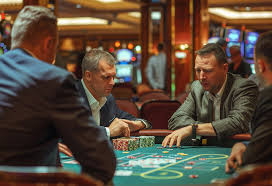
Posture creates the overall impression of a person before any specific movement is noticed. A confident posture is upright but relaxed—open rather than closed, balanced rather than tense.
According to studies on body posture and perception, individuals with open and stable posture are consistently rated as more confident, trustworthy, and composed. This is not just about how others see them, but also how they feel internally. Posture feeds back into emotion.
A confident player typically:
- Sits evenly, without leaning too far forward or backward
- Keeps shoulders relaxed, not raised or tight
- Maintains a natural alignment without stiffness
A well-known quote in behavioral science reflects this idea:
“The body shapes the mind as much as the mind shapes the body.”
This means confidence is not only expressed through posture—it is also reinforced by it.
The Rhythm of Movement Over Time
True confidence is not just seen in isolated gestures, but in consistency over time. A confident player maintains a steady rhythm, regardless of outcomes. Their pace does not suddenly speed up during excitement or slow down drastically during uncertainty.
Behavioral studies on decision-making patterns show that inconsistent pacing is often linked to emotional reactivity, while consistent rhythm reflects stability and control.
For example:
- Sudden fast movements after losses may indicate chasing behavior
- Slower hesitation after wins can reflect overthinking
- A steady pace suggests emotional balance
A frequent player once shared:
“The biggest difference between beginners and experienced players isn’t strategy—it’s how steady they stay.”
This steadiness creates a sense of reliability, both internally and externally.
What Science Says About Confidence and Body Language
Modern research provides deeper insight into why body language matters so much in environments involving uncertainty:
- A Harvard study on presence found that body posture alone can influence confidence levels within minutes
- Research in neuroscience shows that controlled physical movement reduces stress responses in the brain
- Studies on social perception reveal that people form judgments about confidence in less than 7 seconds, largely based on body language
These findings suggest that confidence is not just an internal feeling—it is a physical state that can be observed, interpreted, and even influenced.
Real Observations from Players
Across forums and discussions, similar patterns appear again and again:
“The loudest player is usually the least confident.”
“You don’t notice the confident ones—they just seem comfortable.”
“It’s not about winning or losing. It’s about how someone carries themselves through both.”
These insights reflect a shared understanding that confidence is less about outcomes and more about presence.
A Soft Closing Thought
The body language of confidence at a casino table is quiet, steady, and grounded. It does not demand attention, yet it naturally draws it. It is seen in stillness, in controlled movement, in calm focus, and in a consistent rhythm that does not change with every outcome.
And perhaps the most meaningful truth is this: confidence is not built on always being right or always winning. It is built on balance—on the ability to remain steady within uncertainty. When the body reflects that balance, even in subtle ways, it creates a presence that feels calm, certain, and deeply composed.
In that presence, confidence becomes not something that is shown, but something that is simply felt.
There is something quietly powerful about the way a person carries themselves at a casino table. Long before a word is spoken, posture, movement, and subtle gestures begin to communicate a story. Confidence rarely appears as something loud or exaggerated. Instead, it reveals itself through calm, controlled, and consistent body language that others instinctively notice.
In high-stimulation environments like casinos—filled with flashing lights, sounds, and constant motion—nonverbal communication becomes even more important. Research in behavioral psychology suggests that over 60% of human communication is nonverbal, meaning posture, eye contact, and movement often speak louder than words. At a casino table, this silent language can influence not only how others perceive a player, but also how the player feels internally.
The Stillness That Reflects Inner Control
One of the strongest signals of confidence is stillness. Not rigid stillness, but a relaxed and grounded presence that does not feel the need to react to every moment. A confident player is not constantly shifting, fidgeting, or adjusting. Instead, their movements are minimal, deliberate, and purposeful.
Studies in performance psychology show that individuals who maintain controlled physical stillness are often perceived as more competent and more in control, even in uncertain environments. This is because unnecessary movement is often linked to anxiety or internal tension.
A player once described this observation simply:
“The calmest person at the table always looks like they know something others don’t.”
Stillness, in this sense, is not about doing less—it is about not being pulled by every external stimulus.
The Eyes and Their Quiet Focus
Eye behavior is one of the most revealing aspects of confidence. A confident player does not constantly scan the room or react sharply to every outcome. Instead, their gaze remains steady, soft, and attentive.
This aligns with research on visual focus and emotional regulation, which shows that steady eye movement is linked to calmer decision-making. Rapid or scattered eye movements, on the other hand, often indicate stress or uncertainty.
In real-world observations, experienced players often describe this difference:
“You can tell who’s new just by their eyes—they’re always looking everywhere.”
A calm gaze suggests presence. It shows that the person is not overwhelmed by the environment, but quietly aware of it.
The Hands and the Way They Move
Hands are where intention becomes action, and because of this, they often reveal the clearest signs of confidence or hesitation. A confident player moves their hands smoothly, without abrupt or rushed gestures.
Research in micro-expressions and motor behavior suggests that hesitation in hand movement is often tied to uncertainty, while fluid motion reflects clarity of decision—even in uncertain outcomes.
For example:
- A steady chip placement suggests decisiveness
- A quick, repeated tapping motion may indicate impatience
- Tight gripping often reflects internal tension
One online comment captures this well:
“You can see nerves in the hands before you hear them in the voice.”
Confident hands do not rush, and they do not overcompensate. They act, then return to stillness.
Posture and the Shape of Presence
Posture creates the overall impression of a person before any specific movement is noticed. A confident posture is upright but relaxed—open rather than closed, balanced rather than tense.
According to studies on body posture and perception, individuals with open and stable posture are consistently rated as more confident, trustworthy, and composed. This is not just about how others see them, but also how they feel internally. Posture feeds back into emotion.
A confident player typically:
- Sits evenly, without leaning too far forward or backward
- Keeps shoulders relaxed, not raised or tight
- Maintains a natural alignment without stiffness
A well-known quote in behavioral science reflects this idea:
“The body shapes the mind as much as the mind shapes the body.”
This means confidence is not only expressed through posture—it is also reinforced by it.
The Rhythm of Movement Over Time
True confidence is not just seen in isolated gestures, but in consistency over time. A confident player maintains a steady rhythm, regardless of outcomes. Their pace does not suddenly speed up during excitement or slow down drastically during uncertainty.
Behavioral studies on decision-making patterns show that inconsistent pacing is often linked to emotional reactivity, while consistent rhythm reflects stability and control.
For example:
- Sudden fast movements after losses may indicate chasing behavior
- Slower hesitation after wins can reflect overthinking
- A steady pace suggests emotional balance
A frequent player once shared:
“The biggest difference between beginners and experienced players isn’t strategy—it’s how steady they stay.”
This steadiness creates a sense of reliability, both internally and externally.
What Science Says About Confidence and Body Language
Modern research provides deeper insight into why body language matters so much in environments involving uncertainty:
- A Harvard study on presence found that body posture alone can influence confidence levels within minutes
- Research in neuroscience shows that controlled physical movement reduces stress responses in the brain
- Studies on social perception reveal that people form judgments about confidence in less than 7 seconds, largely based on body language
These findings suggest that confidence is not just an internal feeling—it is a physical state that can be observed, interpreted, and even influenced.
Real Observations from Players
Across forums and discussions, similar patterns appear again and again:
“The loudest player is usually the least confident.”
“You don’t notice the confident ones—they just seem comfortable.”
“It’s not about winning or losing. It’s about how someone carries themselves through both.”
These insights reflect a shared understanding that confidence is less about outcomes and more about presence.
A Soft Closing Thought
The body language of confidence at a casino table is quiet, steady, and grounded. It does not demand attention, yet it naturally draws it. It is seen in stillness, in controlled movement, in calm focus, and in a consistent rhythm that does not change with every outcome.
And perhaps the most meaningful truth is this: confidence is not built on always being right or always winning. It is built on balance—on the ability to remain steady within uncertainty. When the body reflects that balance, even in subtle ways, it creates a presence that feels calm, certain, and deeply composed.
In that presence, confidence becomes not something that is shown, but something that is simply felt.
Leave a Reply